Ask Anne
Ask Anne
Johann Mazer
Hi Johann, thanks for the inquiry.
When you think of a cabling technician you likely imagine someone simply pulling wires through walls and hooking them up to some kind of system. How is it that this field has become a critical contributor to the complex digital systems we rely on every day?
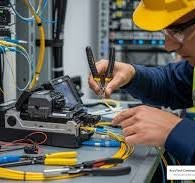
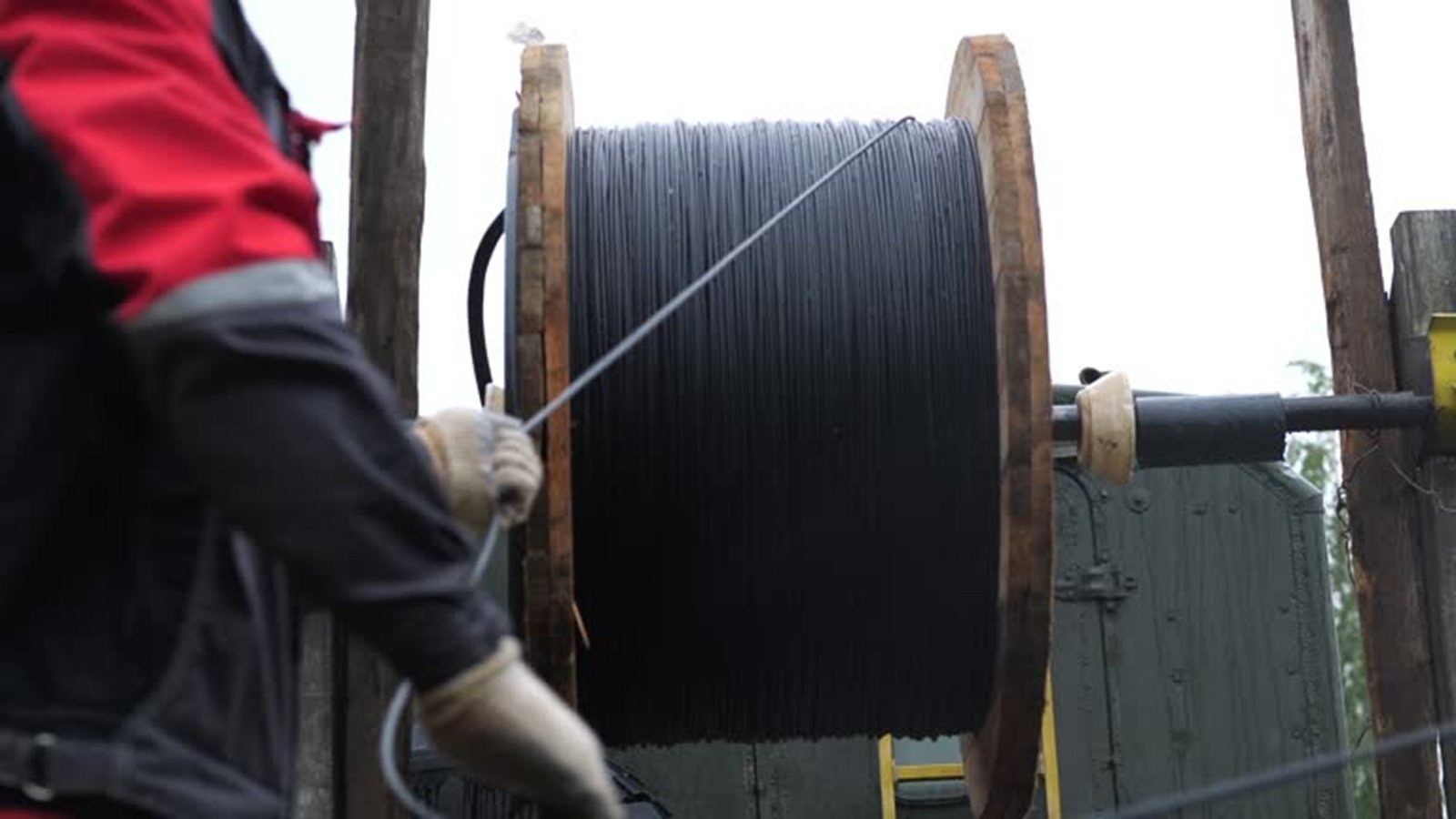
When my company first started helping technicians get their skills recognized and certified through the Provincial government some 16 years ago the field was less evolved. At that time, their work focused primarily on ensuring reliable connectivity by running copper or fiber optic cables through residential homes, office buildings, and industrial facilities. Precision, physical endurance, and an understanding of building layouts were the core competencies of the trade.
However, as technology advanced, so did the expectations placed on these professionals. The rise of high-speed internet, smart devices, and integrated building systems transformed cabling from a passive infrastructure task into an active component of intelligent environments. Today’s cabling technician is no longer limited to installation; they must also understand how systems communicate, interface, and operate within a broader network ecosystem.
I’m willing to bet that not a day goes by without interacting with the work of a cabling technician. From watching a movie in a theater fed by a satellite dish, to playing a slot machine at a casino, using a fast-food self-serve kiosk, scanning a barcode to check a price, ringing up groceries at a self-checkout, or swiping a card to enter a building—these systems all rely on their expertise. Security systems have also evolved dramatically. What was once limited to standalone alarm wiring now includes IP-based surveillance cameras, access control systems, and cloud-connected monitoring. Modern cabling technicians must understand how these devices connect via structured cabling or wireless networks, how they communicate with backend software, and how to troubleshoot problems at both the physical and application levels. Technicians must understand how these devices connect through structured cabling or wireless networks, how they communicate with backend software, and how to troubleshoot issues that may arise at both the physical and application levels. This requires a working knowledge of networking principles, IP addressing, and sometimes even basic software configuration.
In essence, the role has shifted from purely manual labor to a hybrid of technical tradesperson and IT support specialist. Cabling technicians are now expected to bridge the gap between physical infrastructure and digital functionality.
Jobs
In Manitoba there are hundreds of employers who hire. It is like an apprenticeship where once an individual can demonstrate that they have 2 years and 3,600 hours of experience working under a licensed “M” technician they can then challenge the M license exam through Inspection and Technical Services (Department of Labour).
Some employers will hire you without the M license and train you but most individuals find the quickest way to employment is by taking our 30 hour course, put it on their resume (which demonstrates a theoretical knowledge of the field) and prepares you to write the exam and find it is easier getting a job as employers are mandated in this province to have an M license to do any work in this field.
Wages
Employment rates vary but the wages are good. Most “M” class with 3-5 years of experience are earning $35.00/hr. Some self employed are earning $75,000- $100,000 a year depending on skill level and motivation.
An ideal candidate is someone who enjoys working with their hands, is a problem solver, and enjoys learning. Technology is always changing.